A cracked windshield never respects your schedule. It shows up after a grocery run on Eastchester Drive, or when a gravel truck spits out a pebble on the 311 bypass, or when a vandal knocks out a side window while you’re parked near Hamilton Street for a late shift. If you live or work around High Point, you know that life can’t pause while your car sits immobilized. That’s where emergency mobile auto glass service earns its reputation. The best teams bring the shop to you, set fresh glass under real-world conditions, and get you safely back on the road without sacrificing quality.
I’ve worked on glass in this region long enough to know the patterns. Afternoon summer thunderstorms that knock branches loose. Morning frost that turns tiny chips into running cracks. Highway resurfacing near I-74 that leaves loose aggregate for a few days. On paper, a windshield looks like a simple pane. In practice, your glass is a structural part of the vehicle and a key player in modern safety systems. Getting it fixed quickly, and getting it fixed right, are both non-negotiable.
Why mobile matters when minutes count
When glass fails, drivers tend to do two dangerous things. Some keep driving with a spidered windshield, hoping it holds together until the weekend. Others leave a vehicle unsecured after a side window shatters, assuming the neighborhood feels quiet enough. Those choices can end badly. Cracked windshields compromise crash performance and forward camera accuracy. Open side windows invite theft and water intrusion that ruins electronics and soft trim in a single storm.
Mobile auto glass in High Point solves a very local set of problems. Streets are busy, lots aren’t always secure, and the weather swings wide. A mobile van arrives where you are, often within a few hours, and sets up with purpose-built stands, containment tarps, and calibrated tools. The payoff is simple. You stay with your vehicle, avoid towing, and step back into a car that’s sealed, safe, and aligned with your driver-assistance systems.
Understanding the job behind the windshield
A windshield is bonded to the body with high-strength urethane, not simply pressed into a gasket. The adhesion matters, especially for late-model cars and SUVs. In a roll-over, the windshield helps keep the roof structure from collapsing. During an airbag deployment, it provides a backstop so the bag can inflate toward the occupant. If the bond fails, the bag can punch the glass outward, and the crash cascade gets worse in milliseconds.
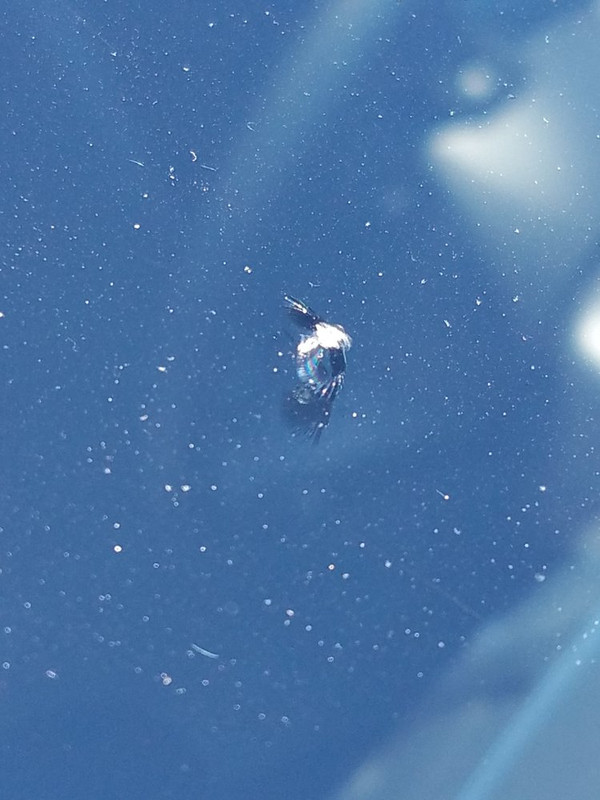
High Point auto glass repair falls broadly into two services: repair and replacement. If a chip is smaller than a quarter and not in your line of sight, a resin repair may save the day. Done early, a proper fill restores clarity and prevents spreading. But long cracks, deep star breaks, or damage near the windshield edge usually require full replacement. The choice depends on crack length, depth, and location relative to sensors and the driver’s primary view. A shop that rushes to replace when a repair would suffice costs you money. A shop that tries to repair when replacement is the safe choice exposes you to risk. The judgment call is the craft.
The 24/7 difference
True emergency service isn’t a voicemail box that returns calls at 8 a.m. It’s a dispatcher who answers at 1:30 a.m. when your car took a hit in a hotel parking lot on North Main. It’s a tech who understands that leaving a vehicle overnight with a missing side glass is an invitation for trouble. Night work and early mornings bring their own challenges, from condensation to dew point to temperature swings. That’s why the adhesive choice and set time matter. Some urethanes cure sufficiently for safe drive-away in 30 to 60 minutes at moderate temperatures. Others need longer. A good tech will explain the window and stick to it, even if it means you wait with the engine warm and the defroster on to keep humidity in check.
The culture among quality mobile teams is to handle chaos without letting it show. I’ve installed glass in a drizzle under a 10x10 canopy, tripped on sprinkler heads in office parks while staging vacuum lines, and taped off hazard zones in tight apartment lots so shards didn’t end up in someone’s dog’s paw. The difference between a good and a great emergency call often lives in these quiet details.
What the visit looks like, step by step
- Arrival and assessment: The tech photographs damage, checks VIN, options, and sensor packages, then confirms the part number. If the vehicle has a rain sensor, acoustic interlayer, heated grid, or a HUD wedge, the glass must match. Containment and cleanup: Broken tempered glass from a side window behaves like ball bearings. Expect crevice vacuuming, panel checks, and a quick sweep under seats. For windshields, exterior tape lines catch loose pieces before the cut. Removal: Specialized knives and wire systems separate the old urethane. Spring pressure and knife angle determine whether paint gets nicked. Good techs protect the pinch weld and touch up any bare metal to prevent rust. Preparation and set: Primers go on glass and body as needed. Urethane is applied in a uniform V-bead with consistent height. The windshield gets set with suction cups and guided into position. Alignment marks ensure the reveal is even on both sides. Finish, cure, and ADAS: Trim and cowl panels go back on, cowls get clipped without breaking tabs, and wipers index correctly. The tech confirms safe drive-away time, then addresses calibration if the car has driver-assistance features that rely on the glass.
That sequence doesn’t change whether the job happens on Westchester Drive or a driveway near Oak Hollow Lake. The site only affects how we stage tools and control the environment.
Windshield replacement in High Point: common scenarios
The most frequent stories repeat. A chip on US-52 that nobody addresses becomes a crack after a cold snap. A landscaping trailer drops debris on Greensboro Road, and the windshield takes a bullseye at highway speed. A roof rack install goes wrong and a bolt scratches the glass down to the PVB layer. If you’re searching for windshield replacement High Point, you’re probably dealing with one of these and wrestling with time.
One case that stands out involved a delivery driver who called from a distribution lot off Kivett Drive just after midnight. The car had a forward-facing camera behind the mirror and a heated grid at the base. We brought the correct glass variant with the camera bracket and the defrost wiring. The swap went cleanly, but the camera calibration took longer than expected because the parking lot lights created glare patterns the system didn’t like. We repositioned the targets, moved the car to reduce reflections, and ran both static and dynamic routines. He drove out around 3 a.m. It was not our fastest job, but it was safe, and he made his morning route.
The side window problem: fast, messy, necessary
Side glass is tempered, so it shatters into small pellets that infiltrate door cavities, seat tracks, cargo bins, and weatherstrips. Side window replacement High Point calls often start with a tired voice and the words, “They broke in and grabbed the charger, nothing else.” The repair looks straightforward: clear the fragments, remove the inner panel, clean the regulator track, and slide in a new pane. The devil hides in the cleanup. Missed glass in the bottom of the door rattles for months and chips fresh paint inside the shell. Skipping vapor barrier reseal leads to water migrating into the cabin. Good mobile techs carry panel clips in common sizes because brittle clips crack in cold weather and you never want to reuse one that’s distorted.
One more note on side glass: if your weather is turning, ask about temporary securement. Poly film with perimeter tape buys you overnight protection, and a better shop won’t resent installing it while waiting on a next-day part run.
Mobile auto glass in High Point: what to ask before you book
- Do you provide ADAS calibration in the field or via a partner? If they say it’s not necessary for a camera-equipped car, move on. What is your safe drive-away time for today’s temperature and humidity, and which urethane are you using? You want a specific time range and product type, not a shrug. Can you match OEM specifications for acoustic or heated glass if my vehicle requires it? On some models, a non-acoustic panel will increase cabin noise by a few decibels and change microphone pickup for hands-free calls. How do you protect paint on the pinch weld during removal? Listen for talk of fiber line systems, guarded cold knives, and primer touch-up. What does your workmanship warranty cover, and for how long? Wind noise and water leaks should be covered, typically for the lifetime you own the vehicle.
Those five questions separate marketing from craft. The good shops enjoy answering them.
ADAS calibration in High Point is not optional for many cars
If your car has adaptive cruise, lane keep, forward collision warning, traffic sign recognition, or automatic high beams, the windshield serves as the optical path for a camera pod. Replace the glass, and the optical relationship changes. ADAS calibration High Point technicians handle two broad methods. Static calibration uses a patterned target array set at precise distances and heights on a level surface with controlled lighting. Dynamic calibration uses a scan tool while you drive a route at steady speeds so the system learns the world again. Some cars require both.
Anecdotally, a compact SUV with a sunshade band can act up under certain fluorescent lights during static calibration. Reflections near the top edge of the glass confuse edge detection until you adjust target angles. Another quirk shows up on rainy days when dynamic cal won’t complete because the system can’t see road markers. A careful shop will reschedule the dynamic portion rather than push you out with warning lights hidden under the promise of “it learns over time.” Some minor trims do self-learn, but the majority need a formal procedure to meet spec.
If your provider says they will “aim the camera by eye,” thank them for their time and call someone else.
Insurance, costs, and the real math
Most comprehensive policies cover glass with a deductible, and some North Carolina plans offer separate glass coverage with little or no out-of-pocket cost. The dollar difference between repair and replacement matters. A chip repair often runs less than the price of dinner for two. A full windshield with embedded technology can run several hundred dollars to more than a thousand for luxury models, especially with HUD layers and infrared coatings. Calibration adds another line item. For a mid-range sedan, I’ve seen combined bills land between 350 and 700 dollars. For premium SUVs with advanced packages, 900 to 1,600 is not uncommon.
Towing, lost time, and a soaked interior carry hidden costs. That’s the economics behind mobile service. If a shop saves you a day off work and prevents water damage, the premium for convenience pays for itself. A quality provider will help file claims, document pre-existing issues, and photograph VINs and odometer readings so the insurer never questions the event.
Weather, environment, and getting it right outside
High Point weather refuses to sit still. Summer humidity pushes 80 percent in the afternoon, and winter mornings can dip below freezing. Urethane chemistry reacts to both. Too cold, and cure slowdowns stretch safe drive-away times. Too wet, and primers may not flash off as intended. A mobile team adapts by warming cartridges, tenting the work area, and using laser thermometers to confirm glass and body temperatures, not just ambient air.
Pollen season adds another curveball. Set a windshield during peak pollen and you’ll catch yellow dust on adhesive. The workaround is an extra moment to mask the perimeter, wipe with proper Mobile auto glass High Point cleaners, and stage the bead so the glass lands once, not twice. Reseating a windshield to fix initial alignment invites contamination. The pros set it right the first time.
When repair is the right call
Not every windshield needs to come out. If your chip sits outside the driver’s primary field, is smaller than a quarter, and hasn’t launched a crack, a resin repair works well. The process is simple: clean, mount bridge, pull vacuum, inject resin, cure with UV, then polish. Done correctly, the blemish becomes a faint speck. I’ve had drivers call two years later, surprised that the spot never grew. The key is timing. Heat cycles grow cracks. If you spot a chip, place a piece of clear tape over it to keep out water and dirt, and book a repair within a day or two. Repairs cost less than your time at the DMV, and they protect the original factory seal, which is still the gold standard for structural integrity.
Materials, brands, and the OEM versus aftermarket debate
People ask whether they need OEM glass. The answer depends. If your vehicle has a head-up display, some aftermarket panels don’t carry the same PVB wedge that controls double images. If you have acoustic interlayer glass, a lower-spec panel raises interior noise at highway speed. Rain sensors, heated wiper parks, and camera brackets must match precisely. That said, reputable aftermarket brands supply OE-equivalent glass for many models, and the quality is solid. The choice often hinges on availability and calibration compatibility. A good shop will check technical service bulletins that specify OEM-only glass for certain ADAS systems. When OEM matters, they’ll say so, and when it doesn’t, they’ll stand behind the alternative.
Adhesive matters as much as glass. High-modulus, non-conductive urethanes are standard for vehicles with sensitive antennas integrated around the windshield perimeter. Cure time and shear strength ratings are not marketing fluff. Look for a team that names the product, understands its spec sheet, and follows the sealant maker’s temperature and humidity guidelines.
Safety after the install: what to watch
The first day after a replacement tells you a lot. Some wind noise at highway speed suggests a gap at trim or a seal channel that didn’t seat. A faint rattle over potholes can be a loose cowl clip. Water testing is decisive. A tech who carries a deionized sprayer and tests for leaks before leaving shows pride. At home, if you spot a fine fog at the base of the windshield during a heavy rain, call back. Moisture travels, and early attention prevents mildew in carpets and wiring corrosion.
Sensors need attention too. If your lane keep icon stays gray, or if adaptive cruise refuses to engage, the calibration may need a redo. Don’t wait. These systems do real work in emergencies, and a misaligned camera can misinterpret the road or fail to brake when it should.
How High Point’s layout shapes mobile service
The city’s split personality matters. Downtown streets with tight parallel parking call for compact setups and minimal trip hazards. Shopping areas along Wendover and Eastchester give more space but add traffic exposure, so staging cones and a visible vest aren’t optional. Apartment complexes near Skeet Club Road often restrict parking, so techs coordinate with property management or work curbside with spotters. On job sites and warehouses near the business parks, wind picks up in the afternoon, which affects canopy stability and dust control. These local quirks don’t stop the work, but a team familiar with High Point moves through them without drama.
When a crack can wait, and when it can’t
Drivers ask for rules of thumb. If a crack reaches the edge of the windshield, plan on replacement soon because edge cracks spread under body flex. If the damage sits in front of your face and distorts your view, don’t gamble. If the crack crosses in front of a camera or sensor footprint, treat it as urgent. If you’re dealing with a short chip outside your primary field that hasn’t spread after a day, schedule a repair at your earliest convenience. The cost difference is real, but never at the expense of crash safety.
For side glass, urgency is the rule. A summer storm can dump an inch of rain in an hour in High Point. That water heads straight for seat foam and control modules under seats. Once saturated, foam never smells the same, and electronics don’t forgive corrosion. Even a temporary board-up or film cover rated for automotive use is worth it overnight.
Skills that separate a reliable mobile tech from a “parts changer”
Anyone can remove a cowl panel and run a bead. The craft shows up in how someone handles the pinch weld, the primer flash time, the glass centering, and the discipline to recalibrate. I’ve watched techs use painter’s tape to mark A-pillar reveal gaps so the set lands within a millimeter of the original. I’ve seen them note that a wiper arm spline was previously misindexed and fix it while they’re there so your rain sweep doesn’t chatter off the pillar. Those touches don’t appear on an invoice, but they keep you happy months later.
Good techs also know when to say no. If wind gusts exceed safe limits for a canopy, if lightning threatens while you stand in an open lot, or if a gravel lot won’t allow accurate target placement for a static calibration, they’ll reschedule part of the work. That restraint protects you and your car.
A quick word on cleanup and glass disposal
Mobile service creates waste. Broken tempered glass belongs in proper containers, not in your curbside bin where it rips bags and endangers sanitation workers. Reputable teams bag shards in thick liners, load them into secure bins, and dispose of them according to local guidelines. Interior cleanup should include a careful pass along seat rails, under mats, and inside door cavities with crevice tools. If you find glass later in a speaker grille or seat track, call the shop back. Most will return to finish the cleanup because they know how easily those pellets travel.
Choosing a provider for High Point auto glass repair
Local matters, but competence matters more. Look for technicians who carry current certifications, keep calibration equipment updated, and answer your questions without rushing. Mobile auto glass High Point service should feel as rigorous as a shop visit, just more convenient. If they promise a 15-minute windshield with your camera-equipped crossover, that’s a red flag. If they educate you about safe drive-away times and ask about your garage ceiling height before scheduling a static calibration, that’s a green flag.
Expect transparent pricing, a written warranty against leaks and wind noise, and documentation for any ADAS work performed. Photograph your vehicle before the job, note pre-existing chips or paint scuffs, and keep the work order in your glovebox, especially if your car remains under factory warranty.
The bottom line for drivers in a hurry
When your glass breaks at the wrong time, you have two jobs: secure the car and pick a team that treats the repair like the safety work it is. High Point’s roads, weather, and parking realities make mobile service the smart play most days, especially for side windows and straightforward windshield replacements. For vehicles with modern driver-assistance features, make sure ADAS calibration is part of the plan, not a footnote. With the right questions and a little patience for cure times, you can handle the emergency without adding new problems down the road.
If you’re reading this with a fresh crack sparkling across your field of view, tape off the area if it’s a small chip, park out of direct sun, and place the call. A good crew will meet you where you stand, restore the structure, align the tech, and hand back a car that feels like yours again. That’s the standard for emergency mobile auto glass in High Point, day or night.